
Featured5 Questions Pet Parents Ask a Vet Online (No Clinic Visit Needed)
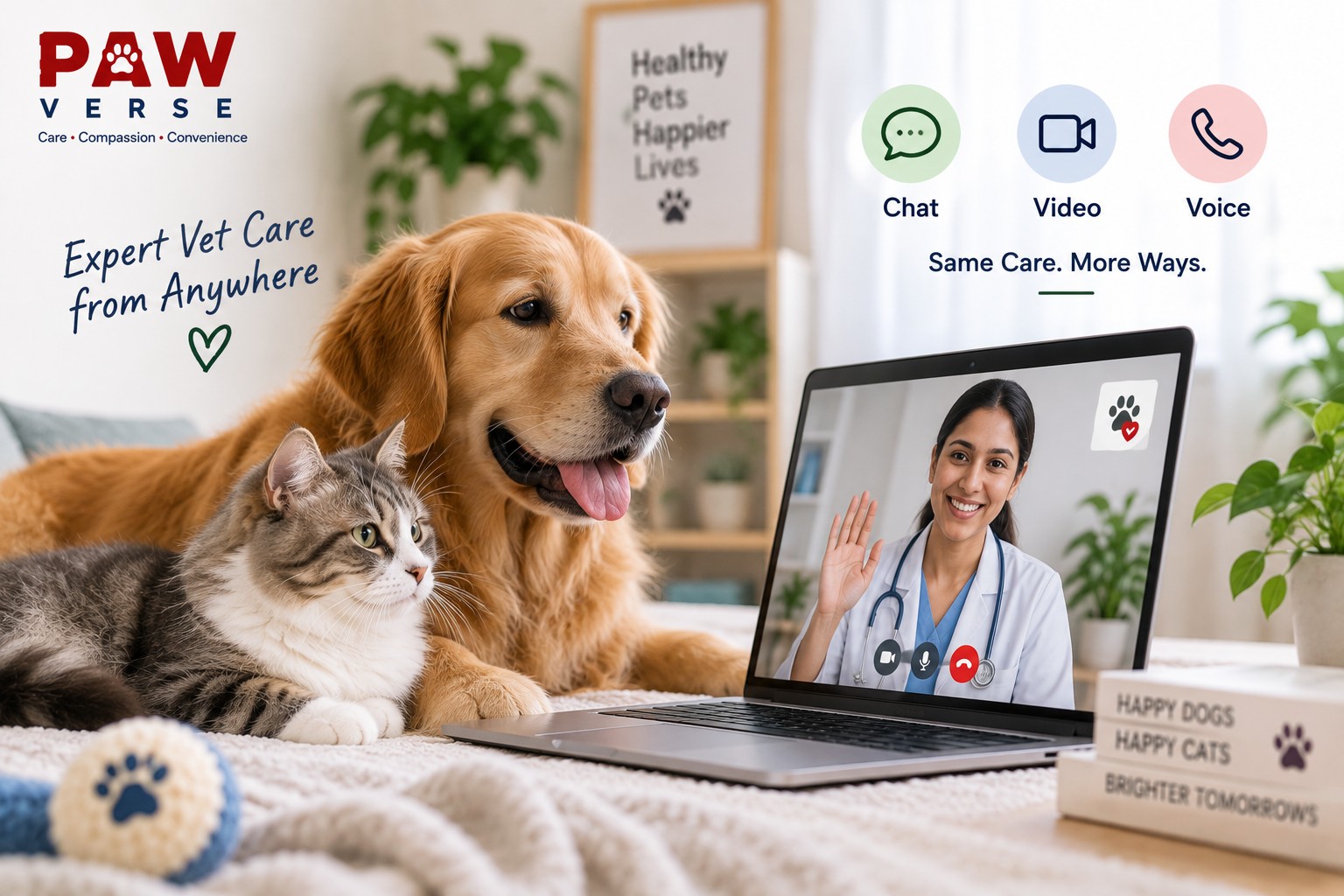
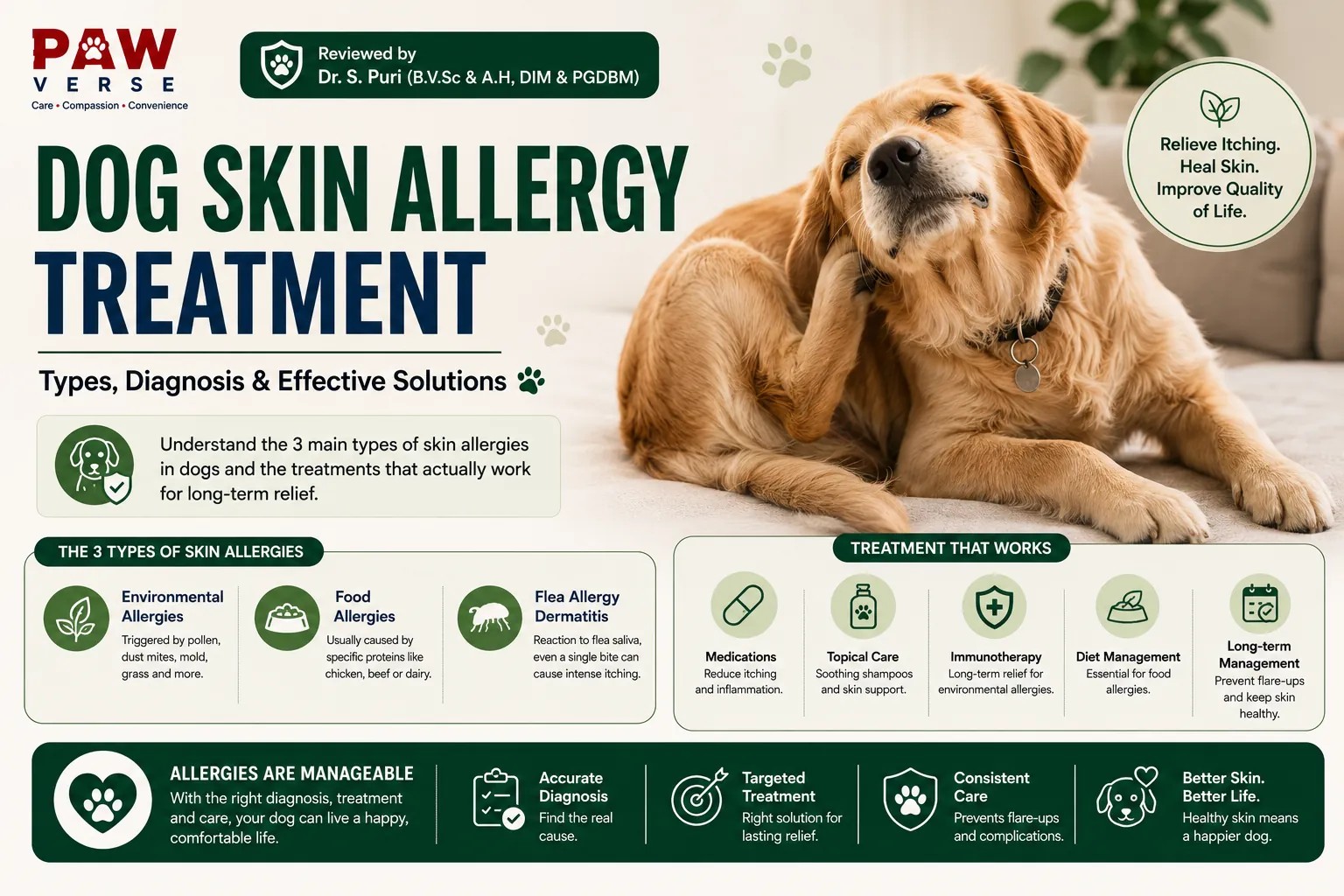
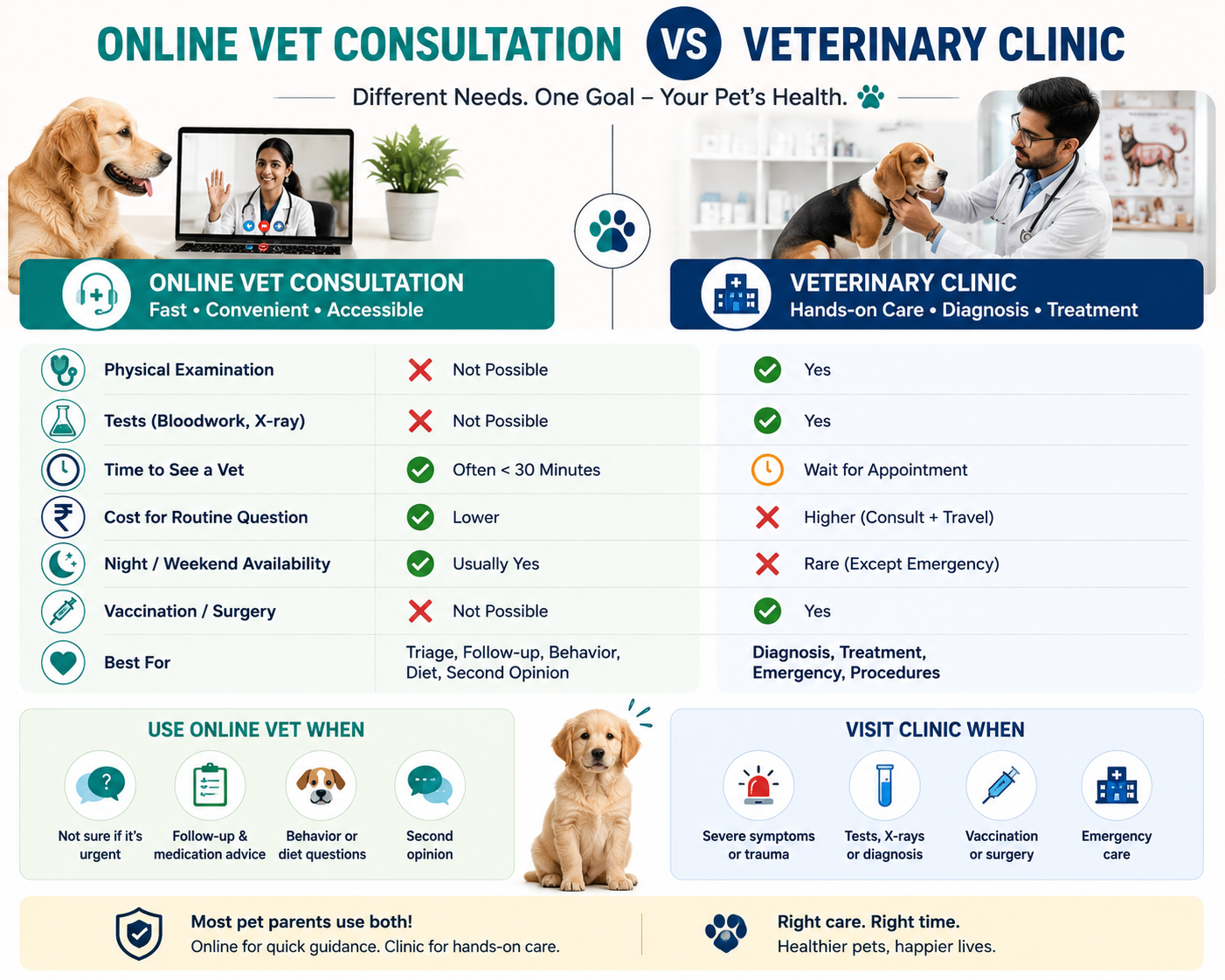
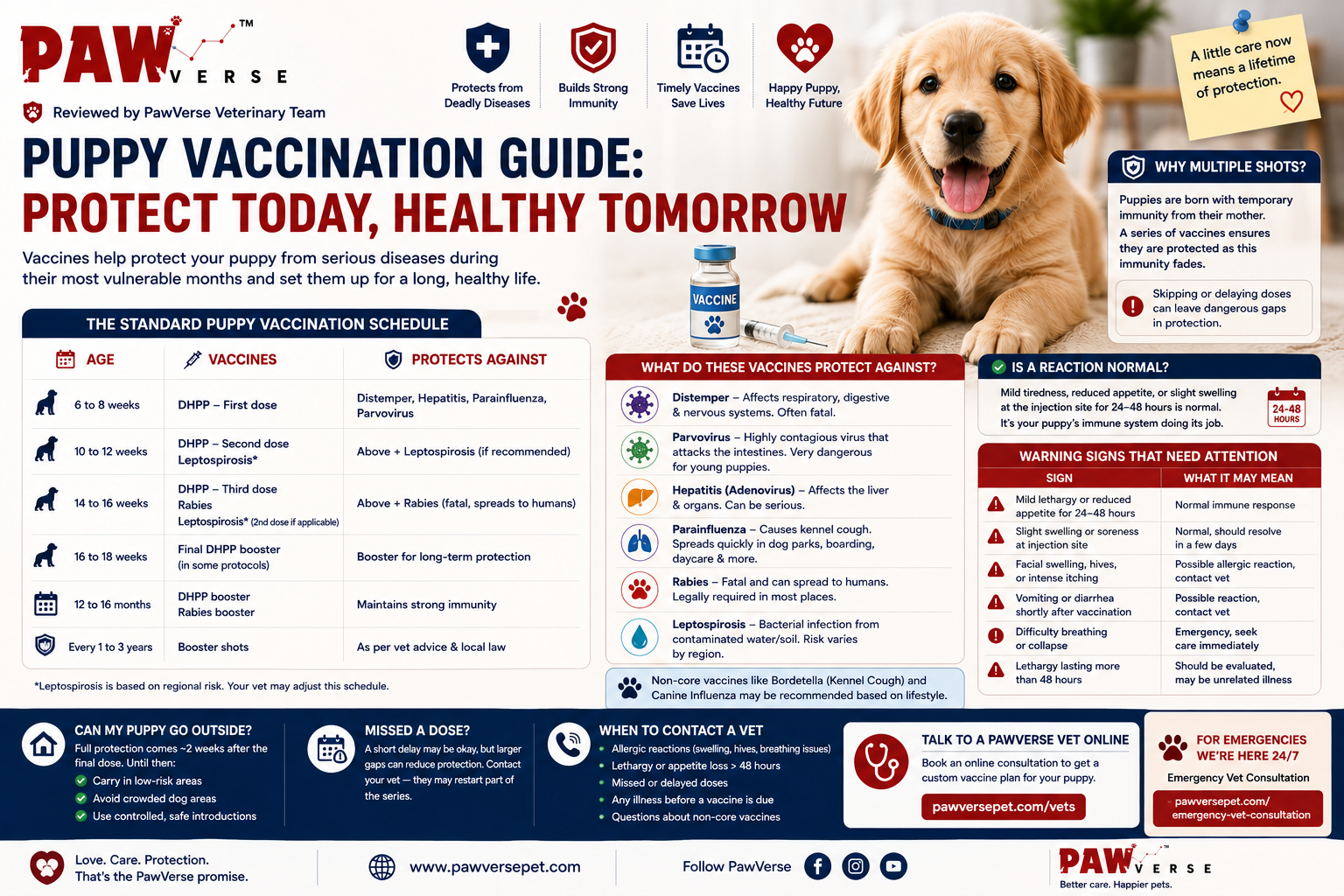
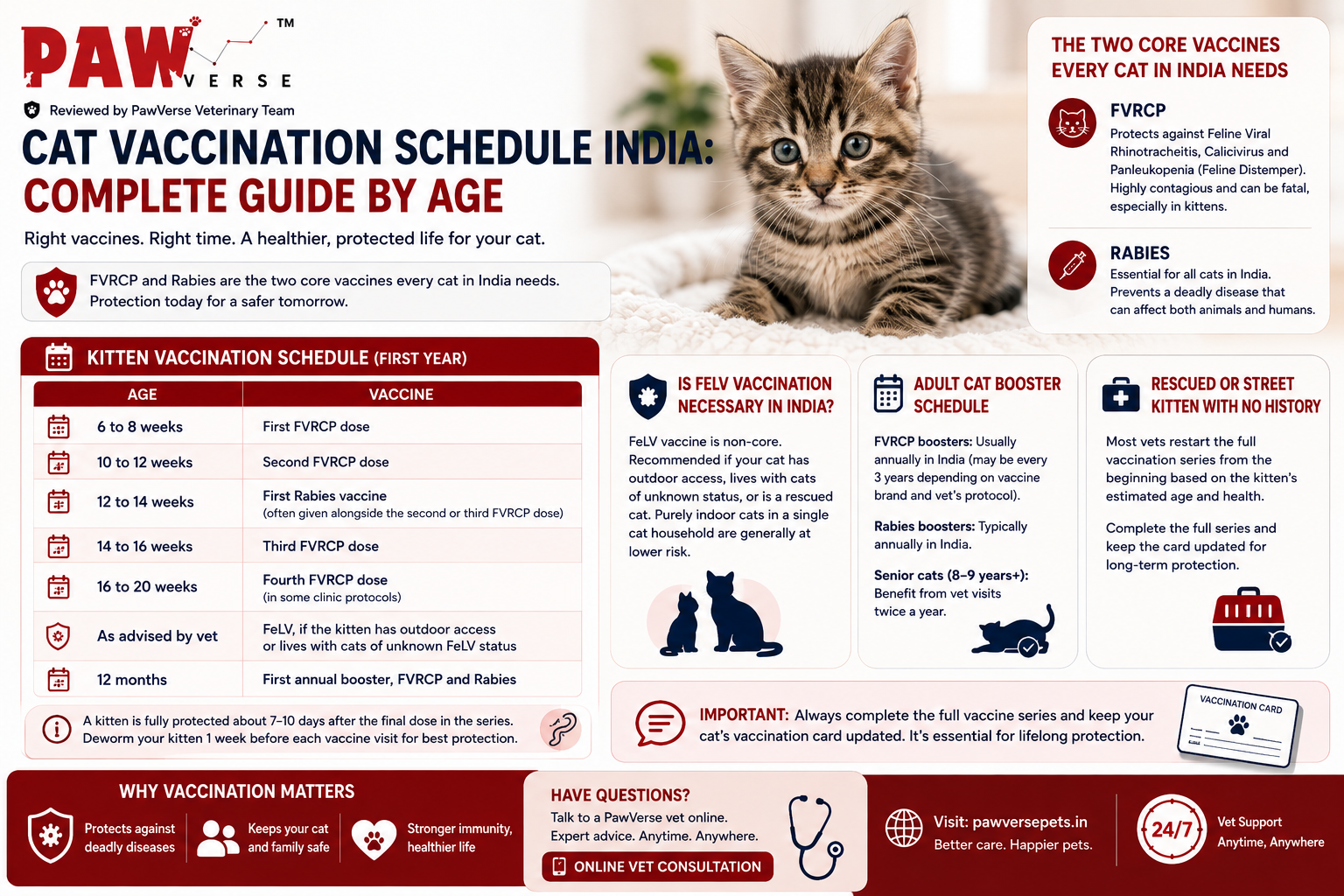
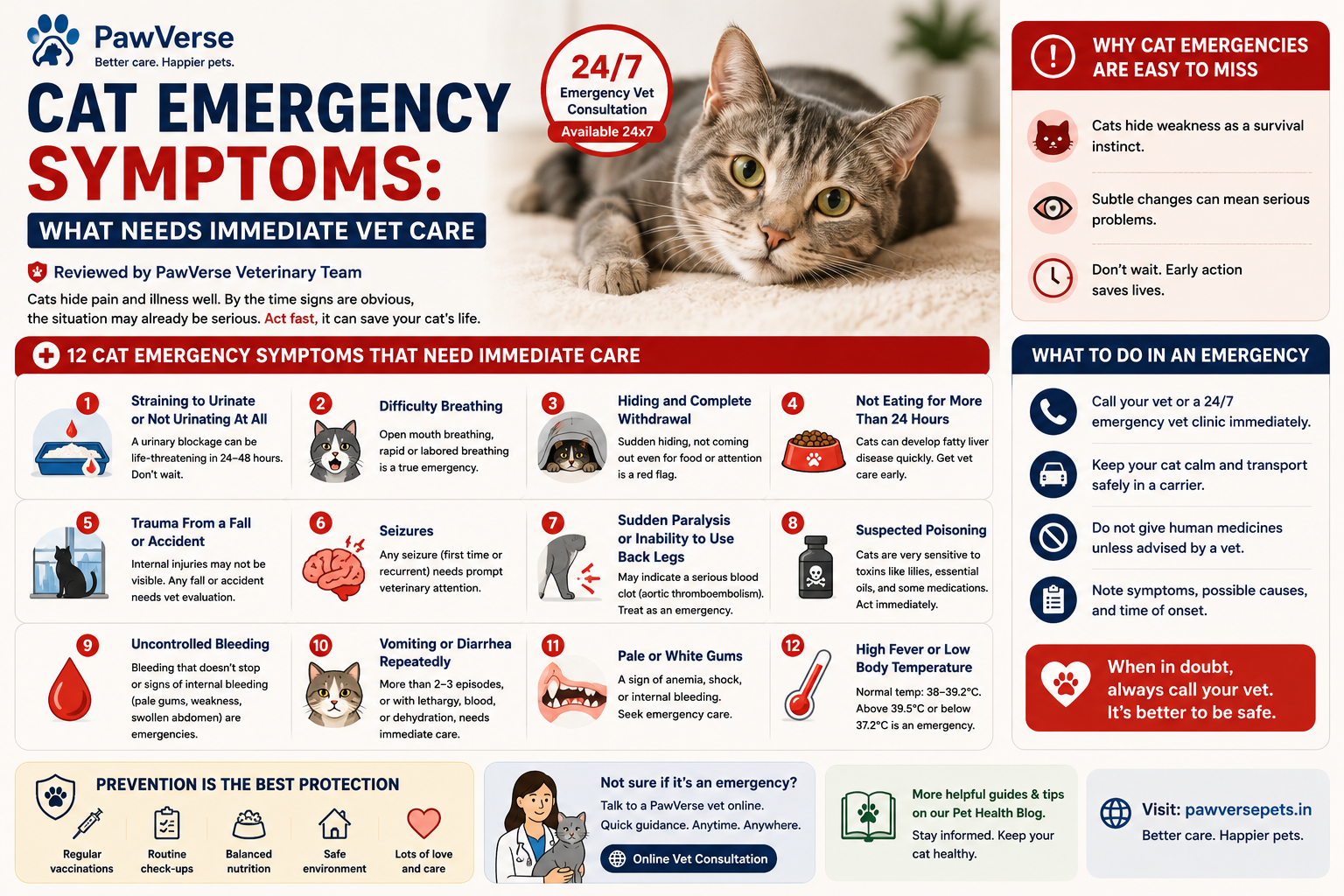
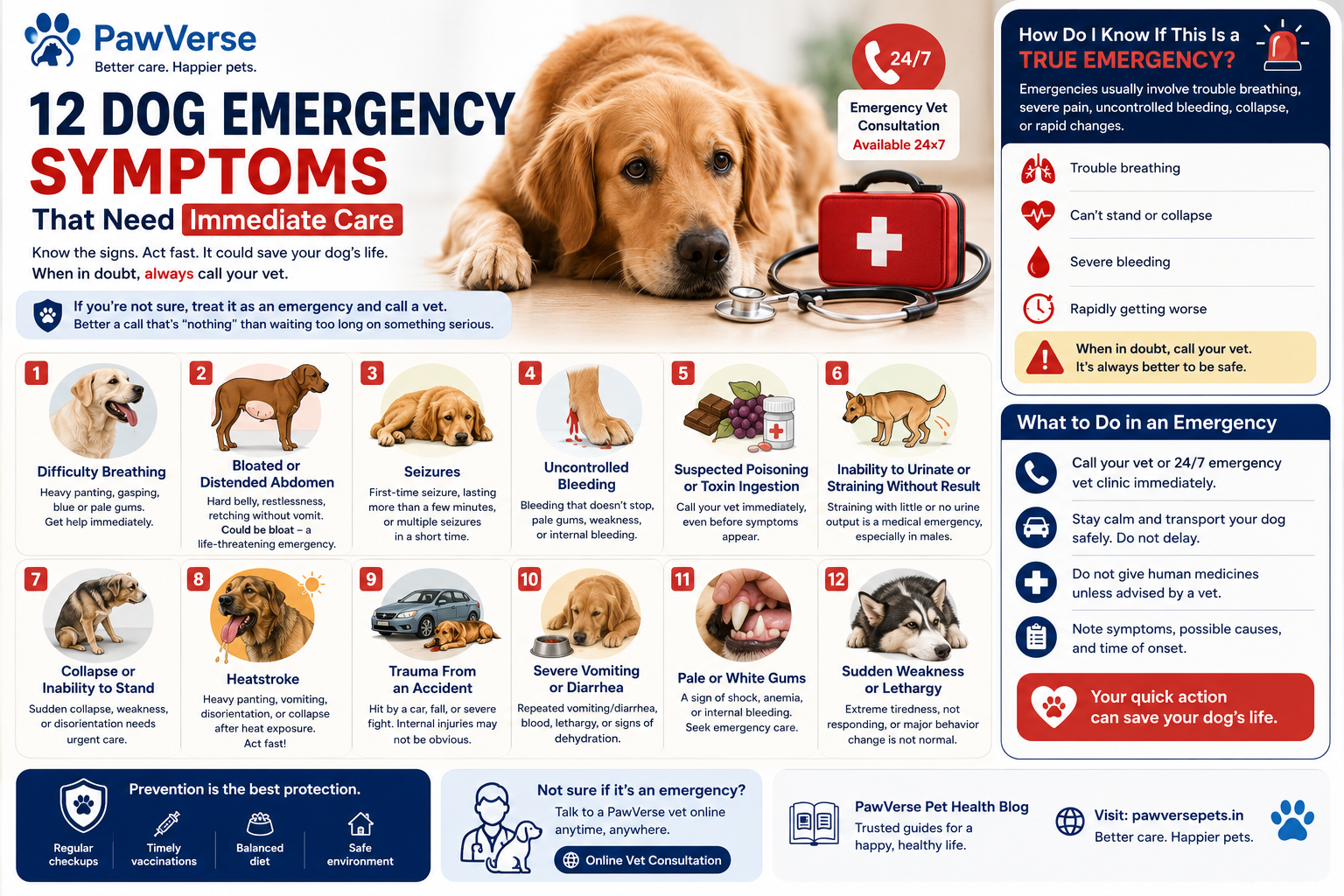
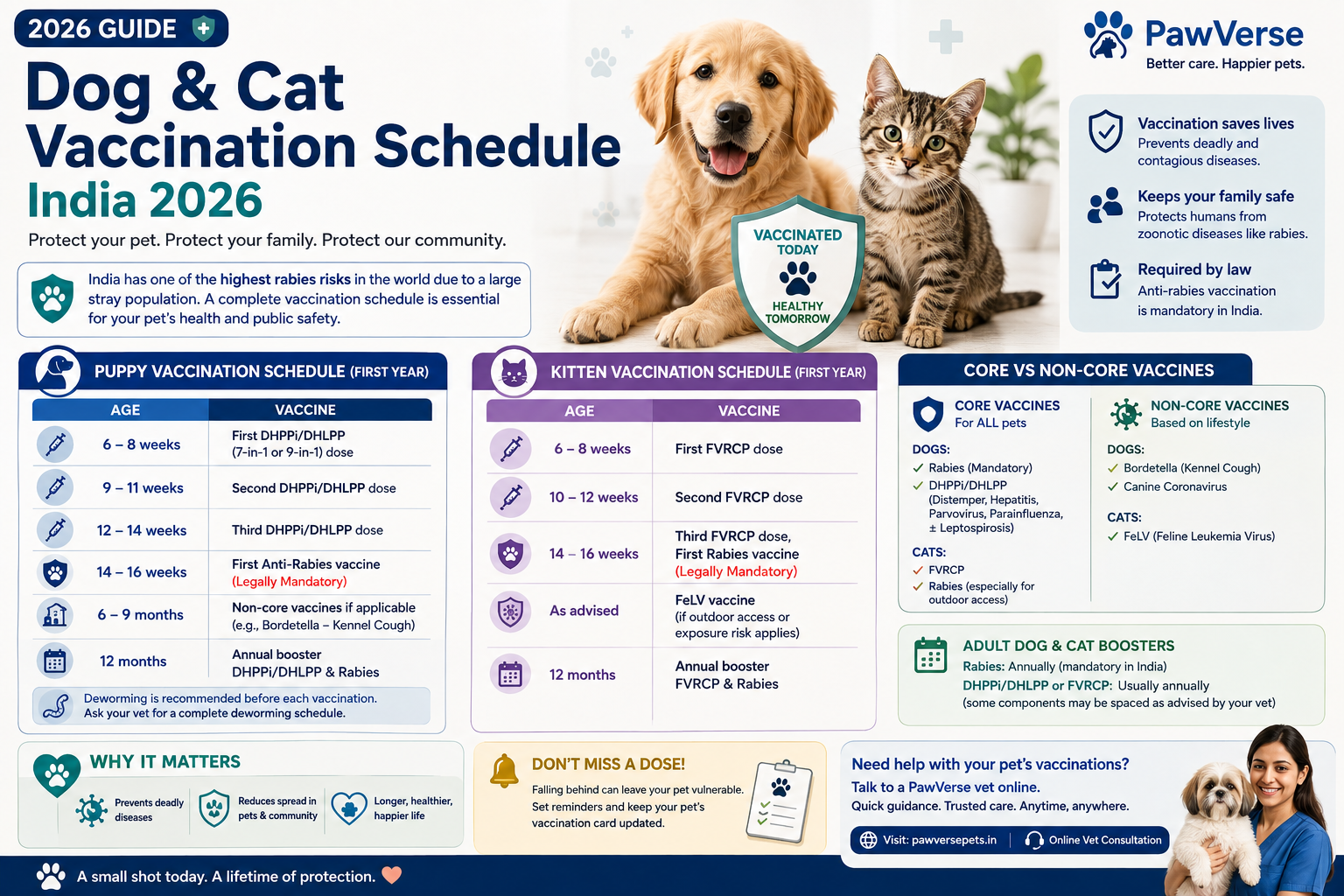
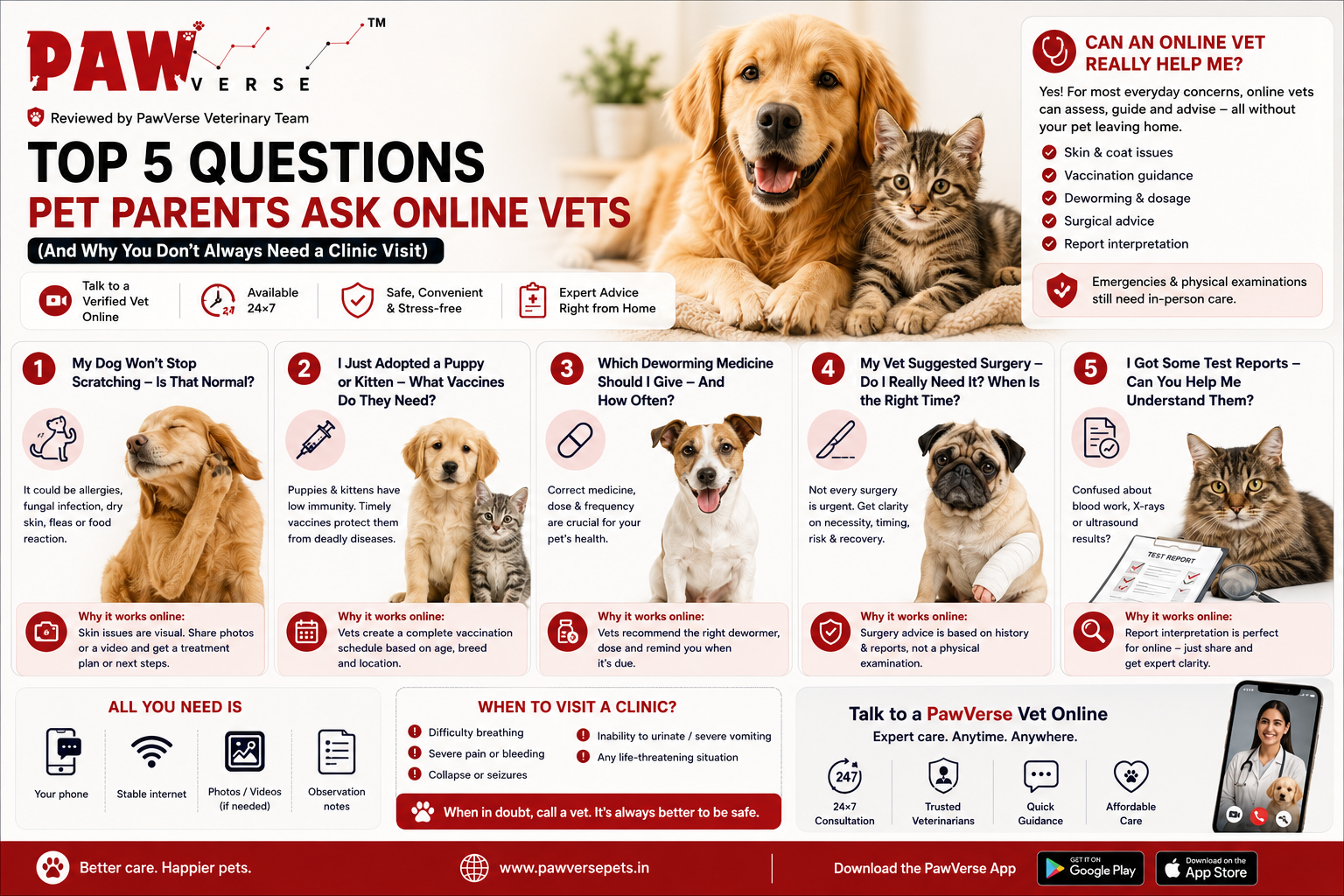
Most everyday pet health questions do not need a waiting room. Here are the five things pet parents ask our vets most, and why a quick online call is often all it takes. You are watching your dog scratch for the third day in a row. Your new kitten is home and you have no idea when her first vaccine is due. Or you are wondering whether every test your vet suggested is truly necessary. These are not small questions, but they usually do not need a clinic visit either. Can an online vet really help me? Yes, for a much wider range of concerns than most people assume. An online vet can assess skin conditions from photos and video, guide you through vaccination schedules, confirm deworming dosages, advise on surgery timing, and help you read a diagnostic report, all without your pet leaving home. Talk to a verified vet to see where online guidance fits your situation. 1. My dog will not stop scratching. Is that normal? Usually it is not something to ignore, but it is rarely an emergency. Constant scratching can point to seasonal allergies, a fungal skin infection, dry weather, a food reaction, fleas, or a contact irritant. A vet can often narrow this down from a short video call and a few clear photos of the affected skin. Depending on what they see, they may suggest an antifungal cream, a medicated shampoo, or a short course of anti allergic tablets. Before your call, take well lit photos and note when the scratching started and whether anything changed recently. Skin concerns are visual by nature. A photo and a short video are often all a vet needs to recommend a first treatment, and to flag when an in person visit is the safer choice. 2. I just got a puppy or kitten. What vaccines do they need? This is one of the most important questions a new pet parent can ask. Puppies and kittens carry some immunity from their mother's milk, but that protection fades, usually between four and ten months of age. During this window they are vulnerable to serious viruses, including parvovirus and distemper in dogs, panleukopenia in cats, and rabies across India. An online vet can walk you through the full vaccination schedule for your specific pet. You do not need a clinic just to get this plan, a short call gives you a clear written schedule you can follow. Vaccination guidance is protocol based. A vet only needs your pet's age, breed, and history to map out the complete schedule. 3. Which deworming medicine should I give, and how often? Deworming sounds routine but genuinely matters. Intestinal worms are very common in Indian pets, especially puppies and kittens, and left untreated they can quietly damage the gut and liver. In young animals a heavy worm load can be dangerous. An online vet can confirm the right medicine for your pet's species, age, and weight, calculate the exact dose, show you how to give it, and set a reminder schedule so it does not get missed. Most clinics do not dispense deworming medicine on site anyway, which makes this a perfect online task. 4. When should I spay my cat, and what is the aftercare? If you have a female cat and have not thought about spaying, this one deserves your attention. Cats can become pregnant as young as four months, can conceive again while still nursing, and can have several litters a year. Beyond population control, spaying removes the risk of a uterine infection called pyometra and lowers the risk of mammary tumours. An online vet can review your cat's age and health, advise on the best surgery window, check any bloodwork beforehand, and guide you through the first day of recovery, which is when most pet parents feel the most anxious. The surgery is done in a clinic, but everything around it can be handled from home. 5. My vet suggested several tests. Are they all necessary? This is more common than you would think, and it is a fair question. When a pet is unwell, a vet may recommend blood panels, urine tests, X rays, or an ultrasound. A second opinion from an online vet can help you understand what each test looks for, which are the most time sensitive, and what the results mean in plain language. This is not about second guessing your treating vet. It is about being an informed pet parent who understands the plan. Online vet or in person: what each is best for ConcernOnline vetIn person Skin and coat assessmentIdeal with photo and videoAlso works Vaccination scheduleFully handledAlso works Deworming guidanceFully handledOften not dispensed on site Spaying timing and aftercareGuidance onlineSurgery in clinic Report interpretationFully handledAlso works Physical examinationNot possibleRequired Emergency careTriage onlyGo in person The bottom line A surprising share of everyday pet health questions can be answered well from home, saving you travel and saving your pet the stress of a waiting room. When a hands on exam or a procedure is truly needed, a good online vet will tell you plainly and help you plan the next step. Start a conversation with Captain Scout and get pointed to the right verified vet in minutes.
Read article